
Opening Night: Brotons Conducts Beethoven

Yulianna Avdeeva, pianist
Brotons Virtus, Op. 53
Grieg Piano Concerto in A minor, Op. 16*
Beethoven Symphony No. 6 “Pastoral”
*Yulianna Avdeeva, piano
What’s the Story…
This program moves from strength and energy, to personal expression, to the calm and grandeur of the natural world.
Salvador Brotons’ Virtus, Op. 53 opens the concert with a bold, contemporary voice. Its title suggests courage, character, and vitality, setting an energetic tone for the evening. Grieg’s Piano Concerto in A minor follows with one of the Romantic era’s most beloved concertos, combining drama and virtuosity with moments of warmth and lyricism. Pianist Yulianna Avdeeva brings the solo part to life in a work that feels both grand and deeply personal.
After intermission, Beethoven’s Symphony No. 6, “Pastoral” turns outward toward nature. Rather than depicting a literal landscape, Beethoven described the symphony as an expression of the feelings inspired by being in the countryside. Birdsong, flowing water, a lively gathering, a sudden storm, and the peaceful gratitude that follows all become part of the journey.
Together, the three works create a program about energy, emotion, and renewal- beginning with human strength, moving through individual expression, and ending in the restorative power of nature.
GET TO KNOW OUR GUEST ARTIST: Yulianna Avdeeva
Yulianna Avdeeva joins the VSO USA for Opening Night following several major international accomplishments that reinforce her stature as one of today’s leading pianists.
Recent highlights include return appearances at Carnegie Hall, performances with the New York Philharmonic and Chicago Symphony Orchestra, and recitals and festival appearances across Europe, Asia, and North America.
In 2025, she was featured in a major Shostakovich festival created by the Gewandhaus Orchestra in partnership with the Boston Symphony, performing the complete Op. 87 Preludes and Fugues in Leipzig and at leading venues around the world.
She has released three recent albums on PENTATONE, including a complete recording of Shostakovich’s Op. 87.
Fresh from this run of high-profile performances and recordings, Avdeeva brings international star power to the VSO USA’s Opening Night, performing Grieg’s Piano Concerto in A minor.
GET TO KNOW THE COMPOSERS
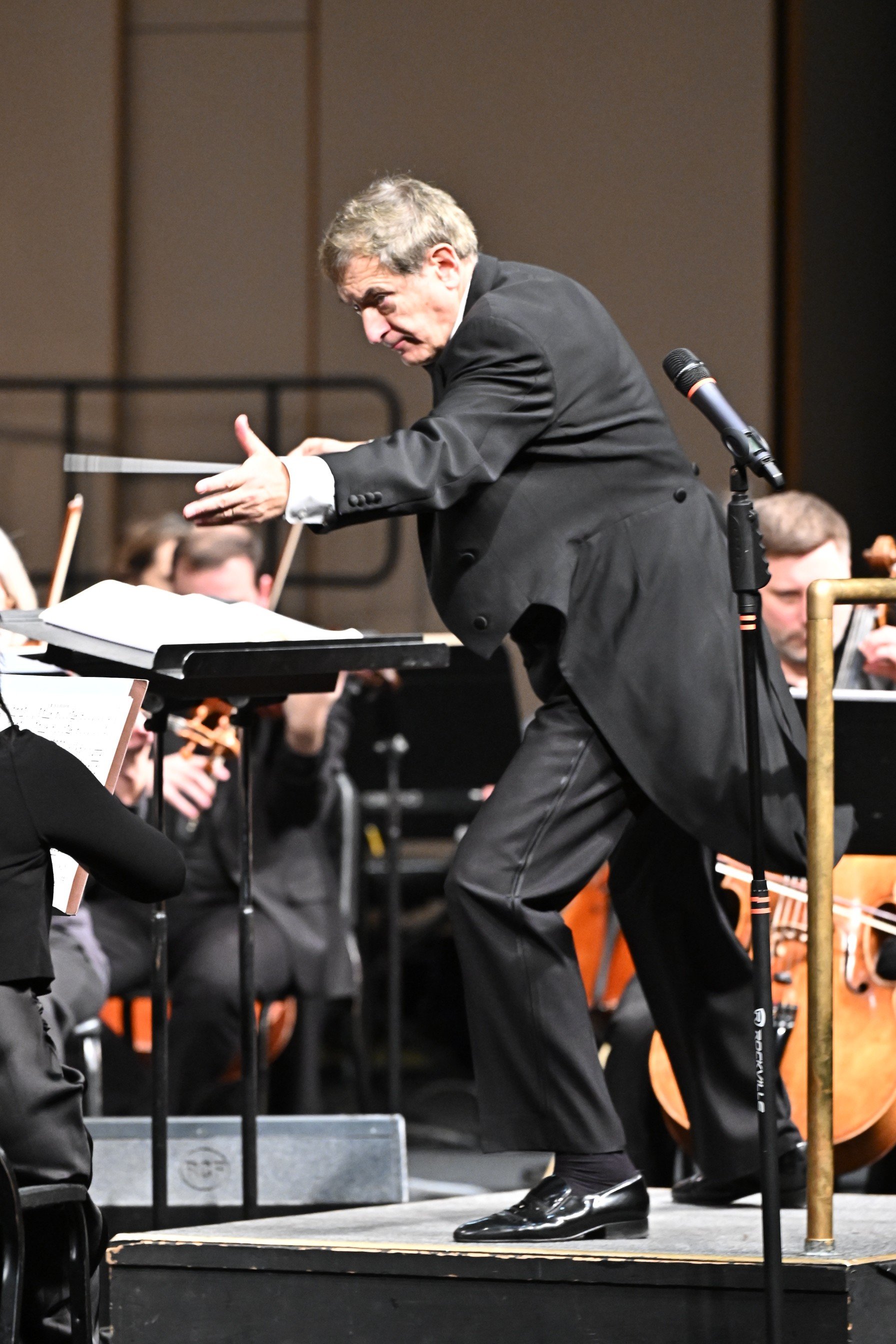
Brotons
Salvador Brotons is an internationally recognized composer, conductor, and flutist whose career spans orchestral, chamber, vocal, and solo music.
His compositions are known for their strong rhythmic energy, vivid orchestration, and clear melodic writing, often balancing contemporary techniques with an accessible musical language.
Brotons has written more than 150 works, including symphonies, concertos, chamber music, choral works, and music for wind ensemble.
His music has been performed by orchestras and ensembles in Europe, the United States, and Asia.
As both a composer and conductor, he brings a practical understanding of the orchestra to his writing, creating music that is colorful, direct, and highly effective in live performance.
His catalogue includes works inspired by Catalan culture, literature, history, nature, and the human experience.
Brotons has received numerous honors for his compositions, including awards in both Spain and the United States.
In addition to his international career, his long relationship with the Vancouver Symphony Orchestra USA has given local audiences many opportunities to hear his music performed alongside major works from the classical repertoire.
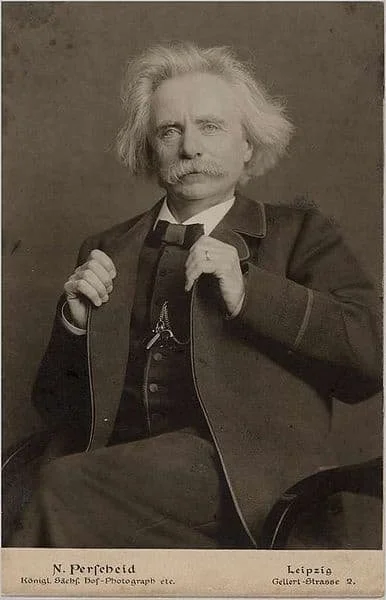
Grieg
Edvard Grieg (1843–1907) was a Norwegian composer and pianist and one of the leading figures of the Romantic era.
Born in Bergen, Norway, he showed musical talent from a young age and later studied at the Leipzig Conservatory in Germany.
Grieg became an important voice in developing a distinctly Norwegian national style in classical music.
He was strongly influenced by Norwegian folk culture, traditional dances, landscapes, and literature, which helped shape his musical identity.
In addition to composing, Grieg was an accomplished concert pianist and conductor and traveled widely throughout Europe.
His friendship with Norwegian writer Bjørnstjerne Bjørnson and collaboration with playwright Henrik Ibsen connected his work closely to the broader cultural movement in Norway.
Grieg’s international success helped bring greater attention to Norwegian music and culture during the 19th century.
He spent much of his later life at Troldhaugen, his home near Bergen, which remains closely associated with his legacy.
Grieg is remembered as one of Norway’s most important cultural figures and as a composer whose work helped establish a strong Scandinavian voice in European classical music.
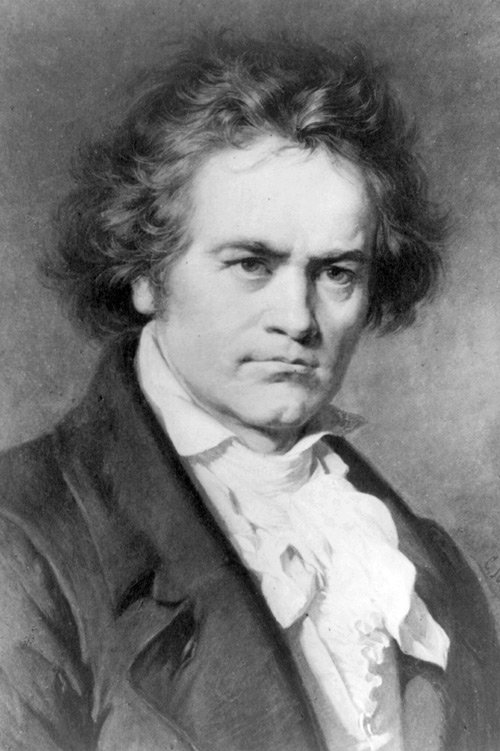
Beethoven
Ludwig van Beethoven (1770–1827) was a German composer and pianist and one of the most influential figures in Western classical music.
Born in Bonn, Germany, Beethoven showed musical talent at an early age and moved to Vienna in his twenties to pursue his career.
He studied with Joseph Haydn and quickly became known as a brilliant and powerful pianist.
Beethoven’s career helped bridge the Classical and Romantic eras, expanding the emotional range and scale of many traditional musical forms.
He became increasingly deaf beginning in his late twenties, but continued to compose throughout his life despite his hearing loss.
Beethoven was known for his independence, strong personality, and determination to establish himself as a freelance artist rather than serving permanently in a royal or aristocratic court.
He spent most of his adult life in Vienna, which was one of Europe’s most important musical centers.
Beethoven’s reputation grew enormously during his lifetime, and his work influenced generations of composers who followed him.
Today, he remains one of the most widely recognized composers in the world and a central figure in the history of classical music.
GET TO KNOW THE PROGRAM
Virtus, Op. 53, Salvador Brotons
Virtus, Op. 53 is a four-movement work inspired by Plato’s cardinal virtues: Prudence, Fortitude, Temperance, and Justice.
Brotons originally wrote the piece in 1990 for the Northwest Chamber Players and later expanded it for full symphony orchestra.
The orchestral version won the prestigious Reina Sofía Prize for Musical Composition in 1991.
The work is about 15–16 minutes long and uses a large, colorful orchestral palette.
Its four sections build toward Justice, which Plato viewed as the result of bringing the other virtues into balance.
Piano Concerto in A minor, Op. 16, Edvard Grieg
Grieg’s Piano Concerto in A minor, Op. 16 was written in 1868, when the composer was just 25 years old.
The concerto is known for its dramatic opening, lyrical melodies, and brilliant piano writing.
Grieg blends the Romantic concerto tradition with musical ideas influenced by Norwegian folk style and dance rhythms.
The work gives the soloist both virtuosic showpieces and more intimate, expressive passages.
It quickly became one of Grieg’s most popular works and remains one of the best-known piano concertos in the repertoire.
Symphony No. 6 “Pastoral”, Ludwig van Beethoven
Beethoven’s Symphony No. 6 in F major, “Pastoral,” was completed in 1808 and reflects the composer’s deep love of nature and the countryside.
Beethoven described the symphony as “more an expression of feeling than painting,” focusing on the emotions inspired by nature rather than creating a literal scene.
Its five movements evoke a series of outdoor experiences, including arrival in the countryside, a scene by a brook, a country gathering, a thunderstorm, and a peaceful conclusion.
The work includes musical references to birdsong, flowing water, folk dance, and a dramatic storm.
The Pastoral stands apart from many of Beethoven’s more intense works, showing a gentler, more spacious and reflective side of his musical voice.
SNEAK PEEKS
Yuliana Avdeeva performs the Weinberg Piano Sonata No. 4